

Places remember

Social media has a present tense. We’re giving it a past, and giving that past an address.
Company update2 min read
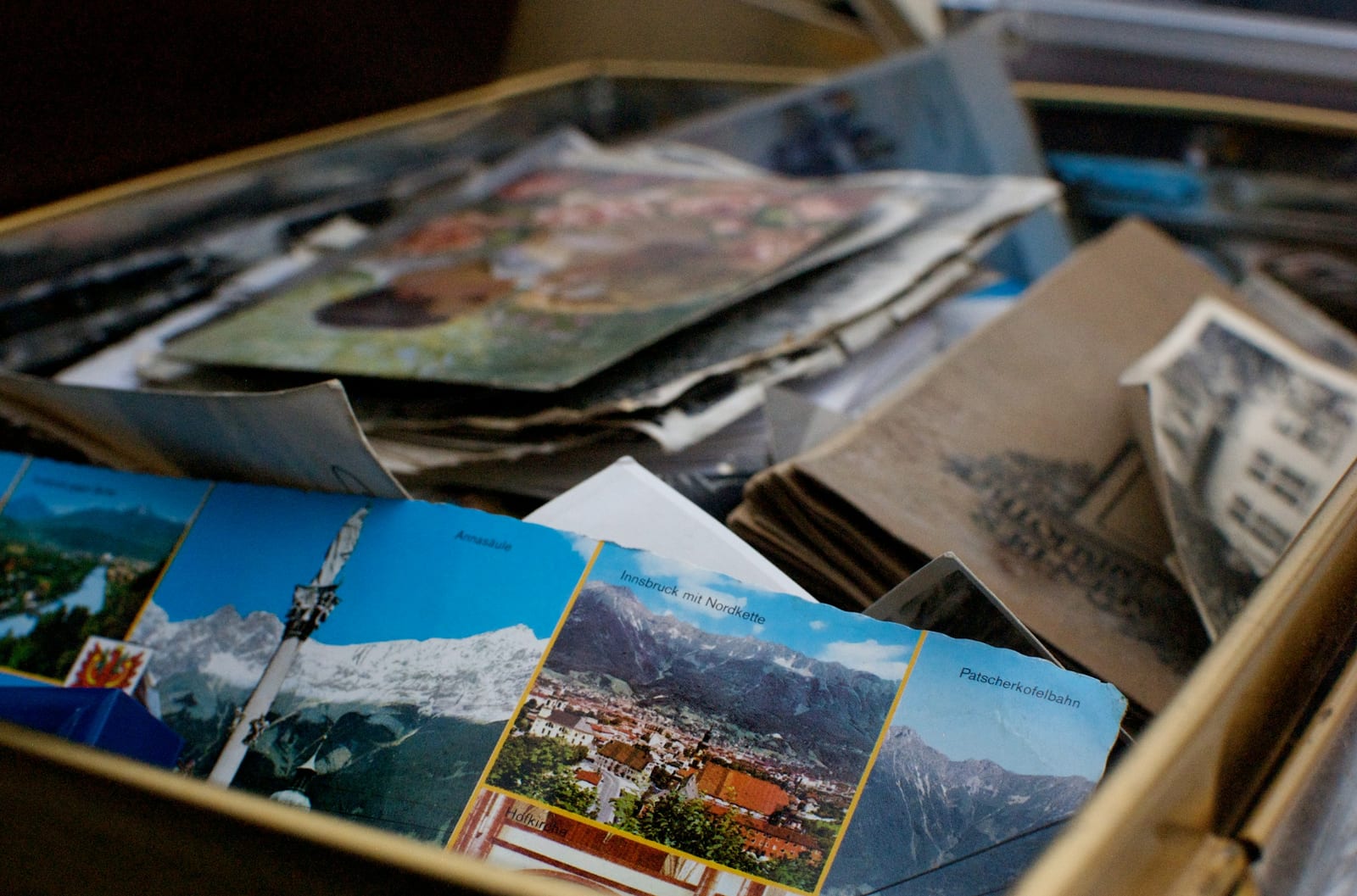
Scroll back far enough on any social app and you reach a wall. What you shared three years ago is still in there somewhere, under everything everyone has shared since. Feeds are built for what’s new.
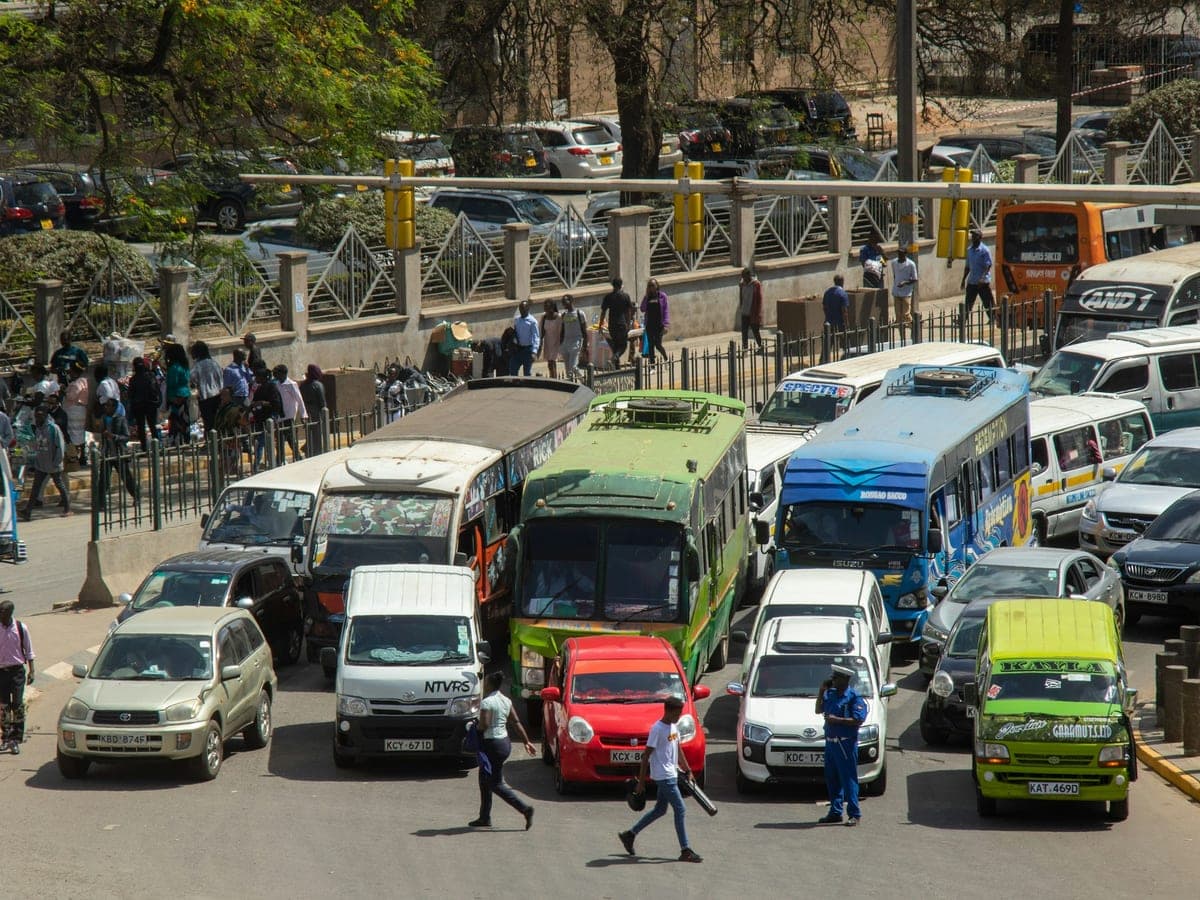
Togra is built around places, and places are different. A corner, a campus lawn, a matatu stage, a family home: people have left things there for as long as there have been people, and nobody who came later could see them.
What we’re building
On Togra you’ll be able to leave something to a place. When its time on the live map is over, it doesn’t disappear. It becomes part of that place’s past, for whoever stands there next.
- Capsules: something sealed for someone to open later, on her 18th, say, or at a reunion ten years from now.
- A place’s past: what people chose to leave to a place, gathered year after year.
- Legacy: you decide what of yours stays, and who looks after it, for when you’re no longer here.
The present stays light. The past grows deep.
The rules that make it work
- Nothing joins a place’s past unless the person who left it chose that.
- You look back through a place, never through a person. Nobody can use Togra to see where someone has been.
- From anywhere you can see that a place has a past; you open it there.
- Homes stay out, and so do places that need more care.
- You can take back what you left.
- There are no ads in a place’s past.
A museum nobody had to build
Over time this adds up to something new: a record of how places were lived, left by the people who lived them. We’ll gather some of it into collections, only ever from what people gave to places, and in time anyone will be able to make their own.
You can see where it sits on our roadmap, and try it for yourself on Inside Togra: pick a corner and slide back through the years.
Made you want to go somewhere?